Blog

  • Significance of Pre-school education

    Significance of Pre-school education

    Asmi Gandhi has been the Head of the pre-primary  section of Ahmedabad based Olive Green Kids School since 2006. The school caters to children in the age-group 1.6 years – 6 years. Ms.Gandhi ran her own pre-school for over 20 years before this. She talks to us about her life, her experiences and more.

    Significance of Pre-school education

    Talking about the relevance and significance of pre-school education, Ms. Gandhi says, “Pre-school education is very important in today’s fast moving world. Children live in nuclear families, they do not have company of their own age group, so their social do not develop, and they are, all the time, fearful with strangers. Parents these days do not have enough time for their kids, since they are working or they are so busy with their social life, in this case the child gets neglected and the child’s curiosity is not nurtured, thus the need of a preschool education.”

    Concept based curriculum

    Ms. Gandhi believes that a concept based method of study has the greatest impact and says, “We have concept based curriculum, so all topics are covered in the whole year. Moreover we talk about moral values, love and respect for everyone around us. Good manners and behaviour is our basic training in school to all kids. Sharing and caring for all around us is also part of our child development course. We also talk about money matters and currency in our country as well as outside the country. In our co-curricular activity we also have yoga, art craft, football and importance of sleep.”

    Challenges

    Running a good pre-school comes with its own fair share of challenges. Ms. Gandhi elaborates, “Pre-school education sector is facing the problem of trained teachers. Anyone who has time wants to do job in a pre-school. We should have training centres for teachers and appoint only trained teachers, or a person who is well experienced for at least 5 to 7 years. Good teachers are poorly paid and people who are influential happen to make their way inspite of the fact that they are not having any knowledge about the pre-school.

    I have come across, challenging kids, who have some health problems, there were parents who had some emotional issues which would affect the students, some parents had financial problems, whatever was the situation; I have always supported my parents, students and teachers. The only thing which I feel needs to be improved is that there needs to be some kind of registration with the government, to take a permission while opening a pre-school, some kind of follow up from educational authorities, to check how well the school is functioning.

    To share is to care

    The concept of sharing with the less fortunate needs to be inculcated at an early age. “We call for one rupee coin every day from kids home, they come to school and put it in the collection box. On Diwali or Christmas we open the box and with all the money collected we go to an underprivileged kids school and share with them food, toys, games or clothes and stationary. In this way we show our kids that every child is not fortunate to have everything, and we should share our things with everyone.”

    Ms. Gandhi concludes by saying “My journey has been full of good and bad experiences, but leaving aside all the woes of life, I personally have enjoyed and felt completely satisfied with the job I am doing. I love counselling kids, parents and teachers.”

  • Parenting During Pregnancy

    Parenting During Pregnancy

    Being pregnant is an important event in a woman’s life, which changes your life forever in many ways. Usually parents think that parenting starts when the child is born. In reality parenting starts even before the baby is born. Mothers should look after themselves during pregnancy, by eating right, exercising and getting good sleep, and staying away from anxiety and stress. Your baby feels what you feel, so learn how to be happy and pamper yourself.

    If you want to be a good parent, start picking up healthy food habits by avoiding sugar, artificial sweeteners, pesticides and food additives. Also, be sure to get enough exercise and sleep. Eat only freshly made meals using fresh ingredients. Your meal should contains vital nutrients in balanced proportions and avoid food that is spicy and which contains preservatives. Healthy diet will keep you healthy and your baby too. If you have a craving for chocolate, have it. There is no harm in indulging occasionally. Consult your doctor before making any major changes to your diet.

    Start communicating to your unborn child, caress, talk and sing to your bump. Both parents can take turns to caress the baby bump. Talk to your baby about positive things in your life, share funny stories about the family. You may find this strange at first but slowly you will start loving the process. Communicating with your baby is the most important aspect of parenting during pregnancy. It stimulates the baby’s senses and helps the mental and physical growth of the baby. Knowing your voice before birth helps the baby form a strong bond with parents.

    Listen to music, it is likely that the baby is hearing it too. From the third trimester, your unborn baby can hear and respond to sounds. Listening to music helps your baby’s brain development and sense of hearing. As your unborn baby cannot see or touch the outside world, hearing is the one sense that helps him to prepare for life after birth. You could listen to the soothing tunes of instruments like the sitar, flute or the violin. You can find good music online especially for pregnant women. Besides stimulating your baby, listening to music can be an excellent stress buster for you.

    Mothers should start reading during pregnancy, preferably in your third trimester and read them aloud as it increases the baby’s intelligence. It is believed that reading educative books during pregnancy will pass on the wisdom to the child. Pregnancy is the best time to learn parenting, read every book and blog you could find on parenting, it will get you ready for the child to come. As after the child is born, you will not find the time to read. You can subscribe to good parenting email newsletters or magazines.

    For Fathers

    A pregnant woman is not the only one who is expecting, but a father’s part is also important. Start with financial planning as the expenses are going to increase as time passes. If you are a smoker, do not smoke near your partner. Go together on doctor visits and scans. Make sure you can be contacted at all times. It is the time to start helping in the daily household chores. Be there for your partner, just being a good listener helps her out a lot.

    If you are expecting a little angel soon, start today in becoming a good parent!

  • બાળકો માટે અરીસા નો ઉપવાસ

    બાળકો માટે અરીસા નો ઉપવાસ

    બાળકો માટે અરીસા નો ઉપવાસ (આપણા બાળક ને અરીસા ના વધુ પડતા ઉપયોગ થી દૂર રાખો)

    તમને આ પ્રકાર નું શીર્ષક જોઈને ચોક્કસ નવાઈ લાગતી હશે  કે વળી બાળકો ને અરીસામાં જોવાથી શું નુકશાન થતું હશે ? અને આ અરીસા અને બાળવિકાસ ને પાછું શું લેવા દેવા ? પણ આ તમારી ગેરસમજ છે. અરીસા નો વધુ પડતો ઉપયોગ એ ચોક્કસ પણે બાળક ના માનસ વિકાસ પર વિપરીત અસર પાડે છે. એનો મતલબ એમ પણ ના લેતા કે બાળકને અરીસા થી બિલકુલ દૂર રાખવું. ના પણ કોઈ કારણ વગર સતત અરીસા સામે ઉભા રહીને પોતાની જાત ને  જોવી એ હાનિકારક છે. જયારે આપણે તૈયાર થતા હોઈએ અથવા બીજા વ્યાજબી કારણોને લીધે અરીસાનો ઉપયોગ કરીયે એ સ્વાભાવિક અને સામાન્ય છે. આજના વિજ્ઞાને આ વિષય પર કરેલા સંશોધનોથી એ પુરવાર થયું છે કે વગર કોઈ કારણ, અરીસામાં જોવાની આદત એ બાળપણ થી જ પડતી હોય છે. તો ચાલો આપણે એ જાણીયે કે બાળપણ થી જ આને કઇ રીતે અંકુશ માં રાખવું.

    સૌ પ્રથમ આમાં  જવાબદાર છે આજનો માહોલ અને સારા દેખાવ ને જ સાચી સુંદરતા તરીકે જોવાની ગેરસમજ. આપણી આસપાસના લોકો પણ મહદઅંશે આપણા બાળકને આ જ રીતે જોવા ટેવાયેલા હોય છે,  આના  કારણે આપણું બાળક પણ પોતાની  જાતને વારંવાર અરીસામાં જોઈને એ સારો/સારી લાગે છે કે નહિ એ જાણવા માગે છે અને કોશિશ પણ કરે છે. અરીસો જ એક વસ્તુ છે જે તમને અને તમારા બાળકને સ્પષ્ટ અને દેખીતી રીતે તમારું પ્રતિબિંબ બતાવે છે. બાળક અને તમે જયારે અરીસા સામે હોવ છો ત્યારે મનમાં ને મનમાં તો એક  જ પ્રશ્ન પોતાની જાત ને કરતા હોવ છો કે હું કેવો/કેવી  લાગુ છું ? ફલાણા કરતા સારો લાગુ છું કે ખરાબ ? જો હું આવી હેર સ્ટાઇલ  કરું તો કેવો/કેવી  લાગુ ?  આ ફેસ ક્રીમથી હું ખરેખર ગોરો લાગુ છું ? આવા અગણિત પ્રશ્નો આપણા મન ને ઘેરી લેતા હોય છે. જયારે આપણે અરીસા સામે વારંવાર કે લાંબા સમય સુધી ઉભા રહીયે છીએ ત્યારે બાળકના મન માં દેખાવ એટલે અરીસા માં દેખાતું સૌંદર્ય એવી એક માન્યતા સર્જાય છે. આપણે એને ક્યારેય સમજાવતા નથી કે વ્યક્તિત્વની સુંદરતા એ જ સાચી સુંદરતા છે. દિવસે દિવસે આ આદત એટલા હદ સુધી પહોંચી જાય છે કે આપણું બાળક એના ચેહરા, કપડાં કે સૌંદર્ય ને લગતી વસ્તુઓ બાબતે અતિ સંવેદનશીલ  થઇ જાય છે. અને એનાથી અદ્રશ્ય પણ ચોક્કસ પણે વધતો સ્ટ્રેસ પેદા થાય છે. ઘણી વાર એવું પણ થાય છે કે આપણું બાળક એની જાતને કોઈ નાના કારણસર પણ સુંદર નથી ગણતું અને આખો દિવસ ઉદાસ થઇ ને રહે છે.

    આવો પદ્ધતિસર જોઈએ કે અરીસા માં સતત જોવા થી થતા ગેરફાયદા શું છે

    • એ તમારા બાળક ને સૌંદર્ય પ્રત્યે સંવેદનશીલ બનાવે છે, જે હકીકતમાં બાળકની વિચારશક્તિ અને તેને લગતી પ્રક્રિયામાં અડચણરૂપ બને છે.
    • મોં પર ની નાની ફોડી, ખીલ, તલ કે બીજી નાની નિશાની આપણા બાળકને એનાથી કઈ રીતે લડવું એ ના જ વિચાર કરાવ્યા કરે છે. બીજી ઘણી અગત્યની વસ્તુઓ જે આ સમયે વિચારવી જોઈએ એનાથી બાળક દૂર થતું જાય છે.
    • જો આપણા બાળકના દેખાવનો અમુક અંશ કોઈ હીરો/હિરોઈન જેવો દેખાતો હોય તો બાળક પછી એ હીરો/હિરોઈનનું બીજું પણ અનુકરણ કરવાની કોશિશ કરે છે. આ એક નાની પણ ખતરનાક શરૂઆત છે બાળકના માનસ પર થતી અસરો ની.
    • સંશોધનોથી એ પણ પુરવાર થયેલ છે કે, આ આદત ના લીધે આપણું બાળક ચીડચીડિયું, ગુસ્સાવાળું, અને હતાશ પણ થઇ શકે છે.
    • અરીસામાં વધુ પડતું જોવાની આદતવાળું બાળક બીજા બાળકોના દેખાવની પોતાની સાથે સરખામણી કરતુ થઇ જાય છે. અહીં મોટો ગેરફાયદો એ છે કે, બાળક માત્ર દેખાવની જ સરખામણી કરતા શીખે છે. સામેના બાળકના ગુણો તરફ એનું ધ્યાન જ જતું નથી.
    • સારા દેખાવની ઈચ્છા થી બાળક બધું પડતા વખાણની પણ આશા રાખતું થઇ જાય છે. જે દેખાવની ભ્રામિક છબી બાળક પોતાના મનમાં લઇ ને ફરતું હોય છે, એની બીજા બાળકોને અને મોટાઓને કઈ પડી પણ નથી હોતી.

    ચાલો હવે જોઈએ કે અરીસા માં વધુ પડતું જોવાના ફાયદાઓ શું છે

    • તમારું બાળક એવા કાર્યો તરફ પ્રેરિત થાય છે, કે જે તેને આંતરિક સવેંદના તરફ ખેંચે છે, ના કે એના બહારના દેખાવ થી.
    • પોતાનું સારું હોવું અને સારું દેખાવું એ બંને અલગ અલગ વસ્તુઓ છે, એવી સમજણ બાળકમાં પેદા થાય છે.
    • પોતાના દેખાવ પર લોકો ના પ્રતિભાવ અને બીજાઓ શું વિચારશે એવું વિચારવા થી બાળક દૂર રહે છે, અને આનાથી બાળક સરળતા થી બીજી કામ ની વસ્તુઓ પર વિચારી શકે છે.
    • આપનું બાળક એ સમજતું થાય છે કે દેખાવ કરતા ગુણો વધારે અગત્ય ના છે.
    • જયારે બાળક પોતાના દેખાવ પ્રત્ય બહુ સંવેદંશીલ નથી હોતું ત્યારે એ બીજા ને પણ એના દેખાવ થી મુલવતું નથી. સામેની વ્યક્તિ હકીકત માં કેવી છે એના પર જ એનું ધ્યાન કેન્દ્રિત થાય છે.
    • બાળક ને એની આજુબાજુ ની સુંદરતા વધુ આકર્ષે છે અને તેને આનંદિત પણ બનાવે છે.

    બાળક ને આદત થી દૂર રાખવા શું કરવું

    • ઘરમાં જરૂર પૂરતા અરીસા રાખવા અને બહુ જ ઓછા અરીસા એની પહોંચમાં હોય એ રીતે રાખવા.
    • માતા પિતા પોતાએ પણ ખાસ કરી ને બાળકની હાજરીમાં સતત અરીસા સામે ઉભા રહીને એમાં ખોવાઈ ન જવું. બાળક જે જુએ છે એ જ શીખે છે.
    • દિવસમાં બાળકનું અરીસા માં 5 થી 7 વખત જોવું એ સામાન્ય છે એના થી વધુ વખત આપણું બાળક અરીસાનો ઉપયોગ કરતુ હોય તો માં-બાપ એ આ બાબતે વિચારવાની ચોક્કસ જરૂર છે.


    હકીકત માં અરીસા નો આપણા બાળક પર નો ઓછો પ્રભાવ આપના  બાળક ની આંતરિક શક્તિ  મજબૂત કરવા માટે નું અગત્ય નું પરિબળ છે.

    નોંધ : આજ આર્ટિકલ ને અંગ્રેજી માં વાંચવા માટે વિઝિટ કરો https://in.parentingnations.org/not-let-child-look-mirror-frequently/

  • Children’s digestive system and how to take care of it

    Children’s digestive system and how to take care of it

    How to take care of your child’s digestive system.

    Food works as fuel for our bodies, the nutrients in the food gives us energy so that to our body parts can work properly. The digestive process starts before we even taste food, just by smelling the food your saliva start oozing out and the digestive process begins(saliva contains digestive enzymes and it moistens the food for easy swallowing). Digestive system helps convert the food we eat into energy by breaking it into small parts that the body can absorb its nutrients (including carbohydrates, proteins, fats, vitamins, and minerals) and remove the waste products from it. Our digestive system is like a long tube of organs inside the body, where food enters mouth, passes through that tube, and exits through the anus as feces (poop). It includes the body parts like mouth, esophagus, stomach, small and large intestines, liver, pancreas, gallbladder and rectum.

    Children’s digest system is like a new machine; if it is taken care of, it will work smoothly for lifetime. If not taken care of, your children may suffer from digestive issues, diarrhea, obesity, inflammation, gas and infections. Digestive system is mostly affected by unhealthy lifestyle and food habits. If this continues your children may face many chronic diseases in their adulthood. Children cannot take care of their digestive system on their own. They depend on their parents, to maintain their lifestyle and food habits and keep their digestive systems tuned. Find below how to take care of your children’s digestive system.

    How to take care of your child’s digestive system.

    A very simple idea for building and maintaining a healthy digestive system for your children is fiber, fluid, and exercise.

    Exercise

    Encourage your children to do more physical activities instead of playing computer games or watching TV. Make sure your children are physically active for at least 60 to 90 minutes per day. This doesn’t need to be a continues process, 30 minutes in morning and 30 minutes in the evening will do the work. Any physical activity that increases their breathing and heart rate is good for their digestion. It helps stimulate the intestinal muscles and food to move more efficiently through the intestines. It will help your children to maintain a healthy weight. However, don’t let them do any heavy physical activity or exercises immediately after the meal.

    Healthy diet

    A balanced and healthy diet is most important for children’s digestive system and overall health.  A balanced diet should contain carbohydrates, proteins, fats, vitamins, minerals and fiber.

    Fiber-rich foods help soften stool and preventing constipation. Fiber reduces the symptoms of digestive disorders such as hemorrhoids and irritable bowel syndrome. Whole grains, apples, oranges, bananas, berries, prunes, green peas, almonds and legumes like dried beans, split peas, lentils, etc are some of the best sources of dietary fiber.

    Teach children to chew properly whatever they eat. As saliva has enzymes that helps in breaking down the food, and the process of chewing prepares the body to receive food. When we chew food the stomach and pancreas start to secrete enzymes that will aid the digestive process. It also helps to avoid swallowing air with food, which may cause gas and bloating. Don’t let your child overeat, big meals are not digested properly and disturbs the digestive system. You should maintain a strict meal routine for your children, the time between the meals allow the digestive organs some rest. Strict meal routine will make your children’s digestive system work like a clock.

    Limit your children’s fat, sugar and salt intake. It may result in short term problems like indigestion and diarrhea and long term problems like diabetes and hypertension. Avoid foods such as chips, bakery products, cakes, pastries, fries, sodas and packed fruit juices. Children’s body don’t need them and they also have other harmful ingredients like preservatives and food coloring. Use the cooking method that uses less or no oil at all such as bake, boil, steam etc.

    Get your children to have prebiotics and probiotics in their diet. Your children’s intestines are filled with bacteria, some are good and some are bad. It is very important maintain the balance of good and bad bacteria. To maintain this balance, give them probiotic and prebiotic. Probiotics are the good bacteria and prebiotic is the food for good bacteria. Probiotic helps stimulate the natural enzymes and digestive processes that keep the organs functioning properly. Probiotics can be found in yogurt, pickles, cheese dark chocolates, apple, soy milk, olive and other fermented dairy products. One can also take probiotic supplements available in the market, ask your children’s doctor, to prescribe one for them. Prebiotics, which are the food for good bacteria and makes them healthy, can be found in whole grains, oatmeal, bananas, legumes, onions, garlic and honey.

    Make your children drink plenty of water. It helps keeping the stool lubricated to let it travel through to intestines more easily.  Drinking plenty of water helps your body eliminate toxins through your sweat, tears, and urine. Make sure that your children are drinking pure, filtered water from a safe source. More on water here

    Reduce your exposure of toxins around your children.

    Children are more vulnerable to toxicants and their effects than adults because they’re still in the developing stage from both inside and outside. Toxicants are everywhere, from the air they breathe to the food they eat and the toys they play with.


    Toxicants in plastic.

    Plastic is the main culprit because of the toxic named Bisphenol A (BPA) present in it. It is a substance which interferes with the production, secretion, transport, action, function and elimination of natural hormones. These days the toys and even the utensils we use to feed our children are made of plastic. Children usually put the toys in their mouth, due to the high level of toxicants in it; plastic toys and utensils can be very harmful. Children’s bodies are always in the state of growth, and their body requires more nutrients to maintain this growth. Their digestive system absorbs more nutrients than adults. When the toxicants enter children’s bodies, they get absorbed along with the good stuff. Toxics can destroy the overall health of your child starting from damaging the digestive system and even cancer in the long term. Don’t use plastic utensils to reheat or store food and buy BPA free products only.

    Toxicants in food

    Yes the toxicants are present in the certain food we eat, these are as harmful as any other bacteria. Main source of toxicants in food are pesticides, artificial food colors, flavors, odors, artificial Sugar/sweetener, aluminum cookware, processed foods, foods with preservatives, refined flour/oil, polished grains and many such. Always understand the source of the packed food you buy. Choose whole foods instead of processed or canned foods. Prefer pesticide-free organic foods, it is mostly free from toxicants.

    Don’t let your children be stressed about anything

    Digestive system is controlled by our central nervous system. Stress can activate “fight or flight” response in your children’s body, which can shut down the blood flow that leads to contractions of their digestive muscles, and decreases stomach acid production needed for digestion. What goes on your children mind can effect digestion so much that even talking about unpleasant things during the meal can harm their digestion. Read more about stress here.

    This also goes the other way around, studies have proved that if your children’s digestive system is poor or if they are having an upset stomach it will affect their thoughts and their decision making power. They will have all negative thoughts, be cranky, show aggression, stress level increases and they make all wrong decisions. Thus, a simple digestion problem may be life changing for them and you too.

     Bad digestion is the root of all evil that may happen to your children in the future. There are many things your children will gain when they become adult, whether it is work, life goals or love, with good digestion it will all be turned to health and wealth.

  • Scream Free Parenting

    Scream Free Parenting

    Scream Free Parenting.

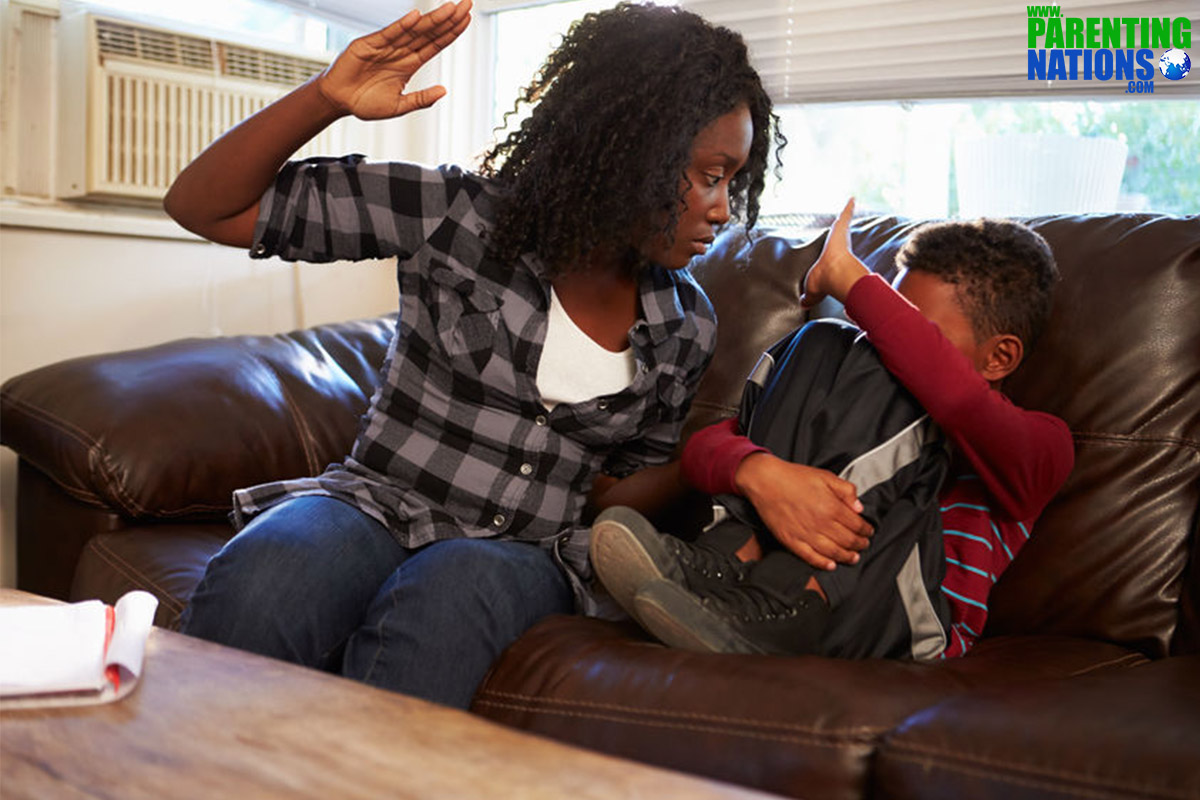
    To be a parent is a tough job, young children can be a lot of work. You run behind them the whole day, making them eat food, bath, study etc. They would need your continues attention, you will always have to say them what to do and what not to do. Sometimes you may reach to the peak of parental frustration and shout. You shout from the top of your lungs, to subconsciously release your frustration. If you are one of those parents who shout and scream on your children when they make a mistake or don’t obey, then you will have to stop, as screaming, shouting, yelling has more harmful, adverse and long lasting effects than you can think of.

    Why screaming at your child is a bad idea.

    Screaming at little children is frightening and violent for them. Screaming can be just as bad as physical punishment, and it could cause behaviour, emotional and mental development issues.

    • It is an emotional abuse

    To an adult it might not seem like a real abuse, but it is. Screaming is sometimes worse than physical abuse. Your children are deeply scared and frightened with your overall body language when you scream at them. It’s also the words you use while screaming are mostly sarcastic, and humiliating for your children. It not just the loud voice, yelling becomes abuse when it is a personal attack, judging or blaming a child.

    • Screaming doesn’t work.

    If you feel that shouting at your children is an effective way to discipline them, you’re wrong. When you shout at children, they are scared and they see you as a danger. Their brain becomes busy in finding ways to defend themselves from this new danger and THEY MISS THE POINT. Yes! the message never gets across their mind.

    • They will instead become mischievous.

    With screaming children never understand that what their mistakes were and they slowly began to tune out (ignore). This yelling will slowly habituate them and it will be harder for you to discipline them. They will talk back, and even yell at you. They will lose respect for you and their brain’s receptiveness of acquiring knowledge at the same time.


    • They will loose their Self Confidence.

    Self-confidence largely depends on the feeling of being valued, respected and loved. It is impossible for children to have their self-confidence intact if they are yelled at, as they stop seeing themselves as worthy of anything. They feel their existence is insignificant to you and the society and they will never have any skills required to be successful.


    • You will set a wrong example.

    According to studies, when children who have been shouted at will catch the behaviour from what they see, and are likely to display aggressive behaviours themselves. They will never learn to control the anger and will take it out in a more aggressive way than you do. Children will take a cue from your shouting, that it is ok to display such aggressive behaviour. Children will start yelling to get their messages across to each other. Your relationship with your children may become so unstable and unpredictable that you will not be able to communicate with them in a healthy way.

    • Shouting creates confusion.

    Children always feel responsible for parent’s anger, even if you are not angry with them and screaming at a flat tyre. They take shouting as a threat to their sense of security and safety. Even if you are yelling at your spouse your children may think it’s their fault. Children simply believe “when mom smiles, i did something good and when mom screams, i did something bad”.

    • It will make your children fearful.

    Studies have found that children who are screamed at, become fearful. Young children, even infants are frightened by loud voice and they cry, shake or hide when you scream. Fear have many harmful effects on children’s development, click here to know more.

    • They will lose focus.

    Verbal abuse is one of the major reasons for the lack of concentration in children. When going through the frequent verbal abuses they learn to ‘Ignore’. They use ignoring as their defence mechanism, while ignoring they force their mind to think about something else and slide in the state of ‘Day dreaming’. This ‘ignoring’ kicks in when ever they feel bored and day dreaming starts, resulting them being absent minded and loosing focus.


    • It increases stress level for both parents and children.

    Yelling causes a physiological reaction in both the parents and the Children. When we get frustrated and scream, the brain releases stress hormones, the sane part of the brain stops and the emotional part takes over. Same goes for children, when they are screamed at, their emotions take over, and they both freeze and tune out, or respond by screaming back and throwing tantrum. If such stress continues in the developing years, it can affect children’s emotional functioning horridly.


    What parents should do instead.

    Know the fact that, children who have a good emotional relationship with parents are easier to discipline. When children are loved unconditionally, they are more receptive to what you have to say. If you use screaming as a tool to discipline your children, your children will see you as an enemy and will never listen to you. Read below to know how to positively discipline your children without yelling.

    • Apologize when you scream.

    No matter how calm of a person you are, for once in a while you will get frustrated and yell at the top of your voice. When you scream, apologise to your children, explain them which of your their behaviour prompted your action. Explain them what you did was also wrong and you are ashamed that you screamed at them. It will send a clear message that misbehaving and screaming both are not accepted. This will create a lifelong habit that makes conflict management easier.

    • Step Away.

    If your children are being mischievous and you feel the anger developing in you, step away. Leave the conflict zone for some time and think about the after effects of your display of anger. It will calm you down; give you clarity and the chance to reflect. It will also teach your children to manage anger, frustration and other such strong emotions.

    • Let your children know what makes you angry.

    A normal human being can feel angry, so does any parent. Instead of screaming and showing your anger, talk to your children about what are the things that makes you angry. This will also teach children to handle their emotions in a calm way. It will make them respectful towards other and themselves.

    • Get children in a daily routine.

    Making children sleep, eat and play etc at a same time everyday keeps them happy and makes them feel safe and behave better. Establishing routines help them to be less anxious and aggressive.

    • Make your house a cool one.

    Children do what they see, so make sure that everyone in your house communicate with respect and acknowledge each other’s feelings without arguing, shaming, or judging. A house where everyone apologise for their own mistakes and are ready to help each other every time.

    • When children are mischievous, be firm, not loud.

    Children will misbehave from time to time, talk to them in a firm and authoritative way without raising your voice. Do not use insulting words, be calm and make sure your message is clear to them without damaging their integrity. Praise good behaviour too; don’t just react on the bad things.

    • See a therapist.

    In today’s competitive world, parents are under a tremendous stress, such continuous stress makes the anger inside you unmanageable. This will make you take that anger out on children on regular basis. A therapist can help you with the ways to keep your calm and prevent such outbursts. Such professional help will also help you repair the previous effects of your anger outburst on your children. Realising that you have an anger problem is the first step towards managing it.

    In a loud and angry household, children have no choice but to hear you scream, because they have no escape. They cannot call a cab or get a bus and go away from the house. They are stuck with this behaviour and it stays with them for years as a result of the long-term effects of screaming and what it has done to their mind.

  • Children’s eye care and vision improvement – Gujarati

    Children’s eye care and vision improvement – Gujarati

    બાળકની આંખોની સંભાળ અને દ્રષ્ટિ સુધાર

    આંખો એ માનવશરીરનું એક અતિ મહત્વનું અંગ છે; જે આપણને દૃષ્ટિ આપે છે.દૃષ્ટિ, આપણા સંવેદનાતંત્રનું કદાચ સહુથી અગત્યનું પાસું છે જે આપણને સૃષ્ટિને નીરખવાની શક્તિ બક્ષે છે જેનાથી આપણે આપણી આસપાસની દુનિયાને જોઈ શકીએ છીએ. આપણી ચારેતરફ વસતી દુનિયાની દરેક વસ્તુ અથવા વ્યક્તિ કેવા આકારની છે, કેવા રંગની છે, એનું કદ કેટલું છે, એ આપણાથી કેટલા અંતરે વસેલી છે જેવા કંઈ કેટલાંય પરિમાણોની સચોટ અનુભૂતિ આપણે આંખોથી જ કરતા હોઈએ છીએ. અને આપણા રોજિંદા જીવનની અનેક નાનીમોટી પ્રવૃત્તિઓમાં આપણી આંખો સતત આપણને મદદ કરતી રહે છે.

    આપણું રોજિંદુ જીવન નિર્વિઘ્ને ચાલતું રહે એ માટે અતિ આવશ્યક છે કે આપણી આંખોનું તેજ, આપણી દૃષ્ટિ સટીક હોય. આંખોનું ઝાંખું પડેલું તેજ અથવા નબળી દૃષ્ટિ અનેક રીતે આપણા માનસિક અને શારીરિક સ્વાસ્થ્યને અને એથી આપણા દૈનિક જીવનને હાનિ પહોંચાડે છે. ખાસ કરીને ઉછરતાં બાળકોના વિકાસમાં તો એમની આંખોનું સ્વાસ્થ્ય અત્યંત મહત્વપૂર્ણ છે.બાળક જન્મતાંની સાથે જ પોતાની આસપાસની દરેક વસ્તુનું નિરીક્ષણ કરતુ થઇ જાય છે, એને રંગ અને આકારનો પરિચય આંખો જ કરાવી શકે છે. પરિચિત અને અપરિચિત વચ્ચેનો ભેદ સૌથી પહેલા એ આંખો દ્વારા નિરીક્ષણથી પારખે છે. બાળકની ચપળતા, કાર્યદક્ષતા અને એના ચહેરાની સુંદરતા અને એથી એનો આત્મવિશ્વાસ; આ બધું જ એની સશક્ત અને સુંદર આંખો ઉપર જ નિર્ભર રહે છે; પરંતુ આજકાલ આપણે જોઈએ છીએ કે બાળકો ખુલી હવા અને પ્રકાશવાળા મેદાનો અથવા બગીચાઓમાં રમવાનું છોડીને મોબાઈલ, ટીવી અથવા બીજા ઇલેક્ટ્રોનિક ઉપકરણો ઉપર પુષ્કળ સમય વિતાવે છે જે એમની આંખેને અકાળે જ થકવી નાખે છે અને એથી આજકાલ લગભગ બાળકો ખુબ નાની ઉંમરથી જ નબળી દૃષ્ટિના શિકાર બની જવા લાગ્યા છે.

    એવી ઘણી બાબતો છે જેનું ગર્ભાવસ્થાથી જ ધ્યાન રાખીને તને તમારા બાળકને એની આંખોના ઉત્તમ સ્વાસ્થ્યની ભેટ આપી શકો છો.

    આહાર
    માતાએ ગર્ભાવસ્થા દરમિયાન પૌષ્ટિક આહાર લેવો જોઈએ વળી એ જ નિયમ જ્યાં સુઘી બાળક માતાના દૂધ ઉપર હોય ત્યાં સુધી ચાલુ રહેવો જોઈએ. પોતાના આહારમાં વિટામિન A ધરાવતો ખોરાક, જેમકે લીલાં શાકભાજી, ગાજર વગેરે, અથવા જો તમે માંસાહાર પણ કરતા હોવ, તો બને એટલો માછલી અને ઈંડાનો ઉપયોગ કરવો; વળી, ખોરાકની એ જ રીતભાતને ઉછરતા બાળકની સામાન્ય આહાર પદ્ધતિ બનાવી લેવી જોઈએ .
    નીચે જણાવેલ અમુક વિકલ્પ તમને તમારા બાળકની આંખોના અને સાથે સાથે તમારા પરિવારના સ્વાસ્થ્ય માટે લાભદાયી ખોરાક પસંદ કરવામાં ચોક્કસ મદદ કરશે .

    લીલી તથા અન્ય શાકભાજી
    તમારા શિશુની આંખોનું તેજ વધારવામાં લીલી શાકભાજી અત્યંત ઉપયોગી નીવડે છે. લીલી શાકભાજી મિનરલ્સ(ક્ષારતત્વ) , વિટામિન A અને C તથા કેલ્શિયમ જેવા પોષકતત્ત્વોથી ભરપૂર હોય છે ખાસ કરીને પાલક, બ્રોકોલી, ઝૂકીની જેવી શાકભાજીમાં રોગપ્રતિકારક તત્વો રહેલા હોય છે જે દૃષ્ટિ સુદ્રઢ કરવાનું કામ કરે છે. વળી કોબીજ જેવી શાકભાજી આંખોને લગતી ઘણી બીમારીઓની સારવારમાં ઉપયોગી થાય છે. તેમાં રહેલું વિટામિન C નારંગી અથવા સંતરાના ફળ કરતા પણ અનેક ઘણું વધારે હોય છે. અને એમાં રહેલું વિટામિન E આંખોના સર્વાંગી સ્વાસ્થ્ય માટે અતિ મહત્વનું છે. આ ઉપરાંત ગાજર, શક્કરિયાં, બીટ વગેરે આંખોનું તેજ વધારે છે તથા સૂર્યના હાનિકારક કિરણોથી આંખનું રક્ષણ કરવામાં કારગર સાબિત થાય છે.

    દ્રાક્ષ અને બ્લૂબેરી
    દ્રાક્ષ અને બ્લૂબેરી અથવા જાંબુ જેવા ફળોમાં એન્થોસિયાનિન નામનું તત્વ હોય છે જે આંખોને સતેજ બનાવે છે. થાકેલી આંખોને તરોતાજા કરવામાં પણ મદદ કરે છે. આવા ફળોમાં રહેલાં રેસવેરેટરોલ, રાટિન, કર્સીટિન, સેલેસિયમ અને ઝીંક જેવા પોષકતત્વો આંખોને ઉત્તમ દૃષ્ટિ પ્રદાન કરે છે. દ્રાક્ષ અને બૅરી જેવા ફાળો નિશાદ્રષ્ટિ(night vision) સુધારે છે.

    ઓમેગા 3 ફેટી એસિડ ધરાવતો આહાર
    ઓમેગા 3 ફેટીએસીડ ધરાવતો ખોરાક મગજમાં લોહીનું ભ્રમણ સુધારે છે અને આંખોની કાર્યક્ષમતા વધારે છે. આ પ્રકારના પોષકતત્વો અખરોટ, ઘેર લીલા રંગના શાકભાજી તથા ફળ, દરિયાઈ ખોરાક, અળશી, માછલીનું તેલ અને સોયાબીન જેવા ખોરાકમાં પુષ્કળ પ્રમાણમાં સંઘરાયેલા હોય છે.

    ફળફળાદિ
    નારંગી અથવા પીળા રંગના ફળ જેમ કે નારંગી, કોળું, કેરી, જરદાળુ, પપૈયાં વગેરેમાં વિટામિન A ભરપૂર પ્રમાણ માં રહેલું હોય છે જે રતાંધતા ને દૂર કરવામાં પણ મદદ કરે છે. લીંબુ, ટામેટાં, જામફળ વગેરેમાં વિટામિન C હોય છે જે ઘણી આંખ સંબંધી બીમારીઓના ઈલાજમાં કામ લાગે છે. જરદાળુમાં બીટા કેરોટીન અને લીકોપાઈન હોય છે જે આંખોનું તેજ વધારે છે. સૂર્ય પ્રકાશથી આંખને થતી હાનિને રોકવામાં ટામેટાં અગત્યનો ભાગ ભજવે છે. એવોકાડોમાં અનેક એન્ટિઓક્સિડન્ટ્સ રહેલા છે તથા તેમાં લ્યુટિન નામનું તત્વ બીજા કોઈ પણ ફળ કરતા વધારે પ્રમાણમાં હોય છે.

    સુકામેવા અને તેલીબિયાં
    બદામ, મગફળીના દાણા, કાજૂ જેવા તેલીબિયાં અને સુકામેવાને પોતાના આહારમાં સમાવવાથી આપણને ઓમેગા 3 અને ફેટી એસિડ મળે છે પરંતુ એટલા પ્રમાણ માં નહિ જેટલા કે આપણે માછલી અથવા બીજા દરિયાઈ ખોરાકમાંથી મેળવી શકીએ છીએ. પરંતુ આવા ખોરાકનો અતિરેક હંમેશા ટાળવો જોઈએ કારણ કે આવા ખોરાકનું વધારે પડતું પ્રમાણ શરીરમાં ઓક્સિજનનું પ્રમાણ ઘટાડીને લોહીને જાડું બનાવી દે છે અને એથી બાળકની આંખોની દૃષ્ટિ નબળી પડી જાય છે. સુકામેવા ખાવાનો યોગ્ય સમય સવારનો છે એટલે સવારના નાશ્તા સાથે થોડી માત્રામાં બાળકને આવો ખોરાક રોજ આપવો જોઈએ .

    અન્ય સ્ત્રોત
    ઈંડા આંખોના સ્વાસ્થ્ય માટે આશીર્વાદરૂપ છે. ઈંડાની અંદરનો પીળો ભાગ આંખોની અનેક બીમારીઓને થતી અટકાવે છે. લસણનો ખોરાકમાં પૂરતો ઉપયોગ કરવાથી આંખોમાં મોતિયાની તકલીફ થતી અટકે છે. ડાર્ક ચોકલેટમાં રહેલું ફ્લેવેનોઈડ નામનું તત્વ આંખોની રક્તવાહિનીઓનું રક્ષણ કરે છે.

    સૂર્યપ્રકાશ
    સૂર્યના હાનિકારક અને સીધા તીવ્ર કિરણોથી બાળકની આંખોનું હંમેશા રક્ષણ કરવું જોઈએ. વયસ્ક વ્યક્તિ ની સાપેક્ષે નવજાત શિશુઓની આંખોમાં પીગ્મેન્ટ નામનું તત્વ, કે જે સૂર્યના પારજાંબલી કિરણોથી આંખની કીકીઓ અને નેત્રમણિનું રક્ષણ કરે છે, ઘણું ઓછું હોય છે; એટલે સૂર્યનો સીધો, તીવ્ર તડકો બાળકની આંખને નુકશાન પહોંચાડે છે. એટલે જયારે પણ બહાર નીકળવાનું થાય ત્યારે તડકામાં પહેરવાના ચશ્મા, છત્રી અથવા ટોપીનો ઉપયોગ કરવો સલાહભર્યો છે. બાળકો માટે આવા ચશ્મા ખરીદતા પહેલા એના લૅન્સની ગુણવત્તાની ચકાસણી અચૂક કરવી . લૅન્સ પોલીકાર્બોનેટ ના બનેલા હોય એ ઇચ્છનીય છે કારણકે તે પારજાંબલી કિરણોથી આંખનું રક્ષણ કરે છે; તથા તેની ફ્રેમ વજનરહિત પ્લાસ્ટિકની હોય તો બાળકને સુગમતા રહે છે.

    સૌંદર્યપ્રસાધનો નો ઉપયોગ ટાળો
    આંખની અંદર અથવા એની આસપાસ લગાવવામાં આવતા સૌંદર્યપ્રસાધનો નો ઉપયોગ ટાળવો જોઈએ કેમકે એમાં હાનિકારક તત્વો હોય છે જે ન ફક્ત આંખને જ પરંતુ મગજને પણ લાંબે સમયે મોટું નુકસાન પહોંચાડે છે.

    દૃષ્ટિ સતેજ કરતી કેટલીક પ્રવૃત્તિઓ
    ઘૂંટણના બળે ચાલવાની પ્રવૃત્તિ હાથ અને આંખોના કાર્ય સમન્વયને સુધારે છે એટલે બાળક જયારે સાતેક મહિનાનું થાય ત્યારે એને ઘૂંટણને બળે ચાલવા માટે પ્રોત્સાહિત કરો. બાળકને ઓછા અંતરે વિવિધ જગ્યાએથી બોલાવો અને એની આંખોને તમારી દિશાનું અનુસરણ કરવા માટે પ્રેરિત કરો. એથી એમની એક ચોક્કસ દિશામાં ધ્યાન કેન્દ્રિત કરવાની ક્ષમતા વધશે . બાળકને ઘરની બહાર ખુલી હવામાં, બાગ બગીચામાં નિયમિત લઇ જાઓ. વનસ્પતિની હરિયાળી મોટપણે બાળકને લઘુદ્રષ્ટિની નબળાઈથી બચાવશે. બાહ્ય રમતગમતમાં ભાગ લેવા માટે બાળકમાં ઉત્સાહ જગાવો. આંખોના સ્વાસ્થ્ય માટે આવી રમતો ખુબ લાભદાયી સાબિત થાય છે. આવી પ્રવૃત્તિઓ બાળકને મેદસ્વી બનાવતા પણ અટકાવે છે એથી આંખોનું સ્વાસ્થ્ય પણ સુધરે છે.

    નીચે હજી વધુ પ્રવૃત્તિઓ સૂચવેલી છે જે તમારા બાળકની આંખો માટે લાભદાયી પુરવાર થશે.
    • હળવા વજનના દડાને ફેંકવું તથા ઝીલી લેવું।
    • બાળકો સામે મોટેથી વાંચન કરવું અને એને તમારા હોંઠ અને આંખોની હિલચાલનું અવલોકન કરવા માટે પ્રોત્સાહિત કરવું.
    • પાટી અને પેન આપી તેમને મુક્ત ચિત્ર બનાવવા પ્રોત્સાહિત કરવા. આવી પ્રવૃત્તિ એકાગ્રતા વધારે છે.
    • બાળકની ઉંમરને અનુલક્ષીને યાદશક્તિવર્ધક માનસ રમતો (માઈન્ડ ગેમ્સ ) રમવી.
    • સાઇકલ ચલાવવી અથવા તરવું.
    • દૂર પડેલી વસ્તુને એના નિરૂપણ ને આધારે ઓળખી બતાવવાની રમતો બાળકમાં અવલોકન શક્તિ વધારે છે અને દીર્ઘદૃષ્ટિને સતેજ કરે છે.
    • આંખોની સામેથી ઝડપથી પસાર થઇ જતા દૃશ્યો જેમ કે ટીવીમાંના કાર્ટુન્સ, પસાર થતાં વાહનો ઉપર એકધારું જોવાનું ટાળવું જોઈએ.

    રમતગમતનાં સાધનો
    પોતાના રમતના સાધનો અથવા રમકડાંથી કેટલીકવાર બાળકો પોતાને જ નુકસાન પહોંચાડી શકે છે એટલે એમના રમકડાંની પસંદગી સમજદારીપૂર્વક કરવી જોઈએ. ધ્યાન રાખવું જોઈએ કે રમકડાં ધારદાર કિનારીઓવાળાં ન હોય.બાળકને પોતાના રમકડાંનું નિરીક્ષણ જાતે કરવા દો. કોઈ પણ વસ્તુને બાળક અતિ નજીકથી ના જોવે એનું ધ્યાન રાખો. ઓછા માં ઓછી 8 થી 10 ઇંચના અંતરે રાખીને જ દરેક વસ્તુ જોવી જોઈએ, એથી જ એમની એકાગ્રતા વધશે અને આંખો ઉપર તણાવ નહિ આવે. આજકાલ બજારમાં આંખોની દૃષ્ટિ સટીક બનાવે અને હાથ અને આંખોના કાર્ય સમન્વય ને વધારે એવા એવા અનેક રમકડાં ઉપલબ્ધ છે. જે તમે પસંદ કરી શકો છો. જેમ કે ,

    • મોડલિંગ ક્લે (18 મહિના અને પછી )
    • પઝલ્સ (12 મહિના અને પછી)
    • બિલ્ડીંગ બ્લોક્સ (6 મહિના ની ઉંમરથી જ બાળકોને આ રમત માટે પ્રોત્સાહિત કરી શકાય છે)
    • ચિત્રકામ ને લગતી સામગ્રી: (12 થી 18 મહિનાના બાળકને ચિત્રણ કળા તરફ આકર્ષી શકાય)

    વાંચન અને ટીવી તથા અન્ય ઉપકરણોના ઉપયોગ માટે સમય મર્યાદા :
    વાંચન એ બાળકની એક ઉત્તમ પ્રવૃત્તિ છે પણ બાળકને સૂતાં સૂતાં વાંચવાની ટેવ ક્યારેય ન પાડશો. વળી બહુ જરૂરી છે કે એમના વાંચન રૂમમાં પૂરતો હવાઉજાસ હોય. બે વર્ષથી નાના બાળકોને ટીવી અથવા બીજા કોઈ પણ વીજાણુ ઉપકરણની સ્ક્રીનથી દૂર રાખો. અને બે વર્ષ પછી પણ આ સમય દિવસના બે કલાકથી વધુ ન જ હોવો જોઈએ. જો આ સમય એથી લાંબો હશે તો બાળકની આંખો સૂકી થઇ જવી, આંખો ઉપર તણાવ પડવો વગેરે તકલીફો થવા લાગશે; એટલે લાંબો સ્ક્રીન ટાઈમ ભવિષ્યમાં બાળકની દૃષ્ટિ નબળી કરી નાખશે. કમ્પ્યુટર અથવા ટીવી આગળ લાંબા સમય સુધી બેસતા ખાસ ધ્યાન રાખવું કે બાળકના રૂમમાં પૂરતો પ્રકાશ હોય અને થોડા થોડા સમયના અંતરે બાળક જે તે સ્ક્રીન આગળથી વિરામ લે. વળી એ પણ ખુબ મહત્વનું છે કે જે તે સ્ક્રીન બાળકની આંખોથી યોગ્ય અંતરે અને યોગ્ય ઊંચાઈએ મુકેલી હોય. બહુ નજીક, દૂર, ઉપર કે નીચે ન હોય. વળી બાળક સ્ક્રીનની સામે બેઠા બેઠા બને એટલું આંખ ઝપકાવવાનું રાખે. એકધારી નજરે સ્ક્રીન ઉપર જોઈ રહેવું બહુ હાનિકારક હોય છે. થોડી વાર માટે આંખો બંધ કરીને આંખોને આરામ આપવો, થોડી થોડી વારે રૂમમાંથી બહાર જઈ ખુલ્લા અજવાળામાં ચાલવું વગેરે આદતોથી ટીવી અથવા કમ્પ્યુટરની સ્ક્રીનથી થતા નુકશાનને ઘટાડી શકાય છે. અંતે ટીવી અને કમ્પ્યુટર ઉપર બને એટલો ઓછો સમય વિતાવવા માટે હંમેશા બાળકને અભિનંદન આપો.

    આંખોનું તબીબી પરીક્ષણ ક્યારે જરૂરી બને છે?
    6 થી 12 મહિનાની ઉંમરના બાળકની આંખોનું અચૂક આંખના ડોક્ટરની પાસે પરીક્ષણ કરવો અને ફરી પાછું 3 વર્ષની વયે પરીક્ષણ કરવો. જો એમની દૃષ્ટિમાં કઈ પણ વાંધાજનક જણાય અને ડોક્ટર તેમને ચશ્મા પહેરવાની સલાહ આપે તો દર વર્ષે ભૂલ્યા વગર આંખોનું પરીક્ષણ કરવો તથા ડોક્ટરે સૂચવેલી દરેક બાબતનું ધ્યાન રાખો. ડાયાબિટીસ બ્લડપ્રેશર જેવી તકલીફોમાં આંખોના નિયમિત પરીક્ષણ નું પણ ખાસ ધ્યાન રાખો. ઉછરતી ઉંમરથી જ બાળકનું મગજ દૃષ્ટિ સાથે સાતત્ય કેળવી લે છે એટલે જો બાળકની નબળી પડતી દૃષ્ટિનું યોગ્ય સમયે નિદાન ન કરવામાં આવે તો બાળકનું મગજ એ નબળી દૃષ્ટિ સાથે સમન્વય સાધી લે છે અને એવી પરિસ્થિતિમાં આંખોને લગતી તકલીફોની સારવાર કરવાની તક પણ ઓસરતી જાય છે, જે ખુબ ગંભીર પરિસ્થિતિ ગણાય.

    બાળકની નબળી પડી રહેલી દૃષ્ટિના સંકેતો
    દરેક માતાપિતા એ બાળકના વર્તનનું નીચે વર્ણવ્યા મુજબ નિરીક્ષણ કરીને એની આંખો સંબંધી તકલીફોના સંકેતો સમજવા પ્રયત્ન કરવો જોઈએ.
    • ટીવી થી અતિ નજીક બેસવું
    • વંચાતી વખતે પુસ્તકને આંખની બહુ નજીક રાખવું
    • શાળામાં ઘટતી જતી એકાગ્રતા
    • આંખો ઉપર જણાતો સતત તણાવ
    • કોઈ વાસ્તુના નિરીક્ષણ માટે વધુ પડતું ઝૂકીને જોવું
    • આંખમાં અથવા માથામાં નિયમિત થતો દુખાવો
    • વારંવાર આંખો ચોળવી
    • ઘટતી જતી એકાગ્રતા
    • આંખમાંથી પાણી આવવું
    • આંખમાં અનુભવાતી સ્થાયી ઝાંખપ (lazy eyes)
    • પ્રકાશ પ્રત્યે અતિસંવેદનશીલતા
    • આંખોનો શરીર અને હાથના હલનચલન સાથે ઘટતો જતો સમન્વય

    આપાતકાલીન સ્થિતિમાં શું કરવું?
    તમારા બાળકની આંખોનું નિયમિત તબીબી પરીક્ષણ કરવો, આંખોની કીકીઓનું નિયમિત અવલોકન કરતા રહો, જો બાળકની આંખો ઉપર સતત તણાવ, આંખમાંથી પાણી આવવું, આંખનો દુખાવો, દરેક વસ્તુનું એકથી વધુ દૃશ્યમાન થવું જેવી કોઈ પણ ફરિયાદ જણાય તો તાત્કાલિક આંખના ડોક્ટરનો સંપર્ક કરો. આંખમાંથી જો લોહી નીકળતું જણાય અથવા કોઈ પણ પ્રકારની ઇજા અથવા ઘા થાય કે તરતજ ડોક્ટર પાસે જાવ વળી એ દરમિયાન આંખોને ઠંડા સ્વચ્છ કપડાં અથવા પેડથી દાબી રાખો.
    જો તમારા બાળકની આંખમાં કઈ જોખમી પ્રવાહી પડી જાય તો તરત જ આંખને ઠંડા અને સાફ પાણીથી ધોવાનું શરુ કરી દો, સાથે સાથે તાત્કાલિક તબીબી સારવાર માટે જાઓ. જો આંખમાં કોઈ ધારદાર વસ્તુ લાગી જાય તો આંખને બહુ દબાવો નહિ ફક્ત એ ધારદાર વસ્તુને આંખથી દૂર કરો, કાગળના કપની નીચેનો ભાગ કાપી એનાથી આંખ ઢાંકી દો જેથી આંખ ઉપર કોઈ દબાણ ન આવે અને તાત્કાલિક ધોરણે આંખના ડોક્ટરને બોલાવો. આવી આપાતકાલીન સ્થિતિમાં ફક્ત અને ફક્ત આંખના નિષ્ણાત તબીબની જ મદદ લેવી. એક સારા આંખના ડોક્ટરનો ફોન નંબર નોંધી રાખવો એ સલાહભર્યું છે. આંખને લગતી કોઈ પણ તકલીફમાં જાતે સારવાર ન કરતાં આંખના ડોક્ટર પાસે જવું જ હિતાવહ છે. કોઈ પણ પ્રકારના આંખનાં ટીપાં ડોક્ટરની સલાહ વગર વાપરવા નહિ. વળી આંખનાં ટીપાંની શીશી એકવાર ખોલ્યા બાદ એક મહિનામાં જ વાપરી નાખવા એ ઉપરાંત એ ટીપાંનો ઉપયોગ કરવો હિતાવહ નથી.

    બાળકો સતત મોટા થાય છે, એમની આદતો બદલાય છે, એમની દૈનિક ક્રિયાઓ અને ખોરાક બદલાય છે પરંતુ એમને પોતાની આંખોનું જતન કરવાની આવશ્યકતા સમજાવવી જોઈએ, આંખોને લગતી સ્વાસ્થ્યવર્ધક આદતો એમનામાં કેળવવી જોઈએ. આંખોની દૃષ્ટિ જીવનના વિકાસ, સુખ અને સુંદરતા માટે કેટલી જરૂરી છે એ બાબતે બાળકોને સભાન કરવા જોઈએ. પોતાની આંખોને જીવન અને વ્યક્તિત્વના વિકાસ માટે પાંખો સમજીને એની જાળવણી કરવાનું બાળકને બાળપણથી જ સમજાવવું જોઈએ.
    આંખો એ માણસની આત્માનો અરીસો છે. બાળકની આંખોને સ્વચ્છ અને સ્વસ્થ રાખી એમના આત્માની ઝલકને ઉજાળવાનો પ્રયાસ સતત થતો રહેવો જોઈએ.

  • Ear Health for children

    Ear Health for children

    How to improve my child’s ear health

    Ear health for children is very important; it gives us the sense of hearing. It is the first sense that develops in a baby even before he or she is born. Its an advanced and sensitive organ of the body, its main function is to transmit and converts the sound so that the brain can understand it. Hearing is an important medium, which help us to naturally connect to one another and to the environment around. Healthy ears are one of the most active parts of the body, it lets you hear sounds all the time, you cannot switch them off, even when you are asleep. It works with strong coordination with your brain. When you want to listen to something, your brain with the help of ears let you concentrate on that sound while ignoring the other sounds. Your brain then evaluate that what is the source of the sound.  If ears are not functioning properly, your brain doesn’t get enough information to evaluate.


    Taking our ears for granted is a common thing, lot of us do that. We do not take care of them; listen to loud music every other day, without realising its consequences. Once your hearing is damaged, you may never be able to hear again. That is why parents need to teach their children how to take care of their ears. Raise awareness about what can lead to various infections, hearing loss, the importance of ears in one’s life. Do not wait until it is too late to start taking care of your children’s ears.

    How to protect children’s ears.


    By loud noise:

    Noise-induced hearing loss starts at an early age and grows, the damage done by noise is invisible, and permanent.

    • Use the hearing protectors such as ear plugs on your children when exposed to loud noise and use them yourself so your children can realise that it is important. Teach your children to close their ears with fingers when suddenly exposed.
    • Teach your children to avoid sitting near speakers at auditoriums and concerts, and its harmful effects.
    • Always keep down the volume on headset, television, or car radio. Set a maximum limit of volume, which they can keep on such devices and be firm about this rule.
    • Check the noise level in your children’s toys before buying.
    • If you feel that your child is having trouble in hearing, visit a certified audiologist and have yours hearing and your children’s hearing tested.


    By Infections:

    It is most likely that your children develop an ear infection in future. According to studies 75% of children will have an ear infection at least one time by their third birthday. Since ear infections are so common among young children, it’s important for you to know their causes, symptoms, and cures to protect you children from them. Read below to know more.


    Cause.

    An ear is divided in three main parts, the outer, middle, and inner ear. There is a tube that connects the middle ear to the back of the throat, it is called Eustachian tube. When your child is suffering from cold, cough and other allergies, Eustachian tube is swollen, leaving no space for ventilation. A fluid that drains out of the ear is trapped in the inner part, this allows germs to flourish and result in ear infection. Children are prone to ear infection because their Eustachian are not fully developed.


    Symptoms.

    Earaches can be so painful that your children cannot decide what is paining. Parents have to look for the signs below to investigate further:

    • Fluid draining from ear
    • Feeling the pull at the ear
    • Appetite loss
    • Sleeplessness
    • Fever
    • Irritation
    • Pain in the ear


    Prevention.

    Ear infection can be prevented, as the cold and flu is the major reason that cause ear infections, there are some ways to prevent it.

    • Keep your children away from the ones with colds, flu, and sore throats, as these are contagious.
    • Don’t let children share the toys that they generally put in their mouth with other children.
    • Don’t let your children lie down with bottle, liquid from the bottle can flow back to the Eustachian tube, leading to an infection.
    • Teach your child to cough or sneeze into a handkerchief, napkin or the crook of the elbow.
    • Teach your children to wash hands often.
    • Look for playgroup/daycares where there are 6 to 7 children in a batch. Studies have proved that group of fewer children experience less of such infections.
    • Breastfeed your children for at least 12 months, it boosts the immune system of your children and protect them from such infections.
    • Avoid using pacifiers (a toy with nipple to suck) Studies have proved that children who use pacifiers are more prone to middle ear infections.
    • Avoid smoking in front of children, passive smoking irritates mucous membranes and damages tiny hairs in the middle ear resulting an infection.
    • Take your children for regular vaccination as directed by your paediatrician, many vaccines like influenza and prevnar are known to reduce the cause of infections.


    Swimmer’s Ear – a type of ear infection.

    Swimmer’s Ear is an infection of the ear canal. If your children play or swim in bacteria-infested or poorly chlorinated water, they are more likely to have swimmer’s ear. When infected by swimmer’s ear you child will complain of ear pain, itchiness inside the ear, will feel like the ear is blocked and in extreme cases pus coming out of the ear.


    Swimmer’s Ear prevention.
    • Avoid using earplugs while swimming, it irritate children’s ear canal and cause infection.
    • Teach children to tilt and shake their head to drain water from ears every time after swimming.
    • Teach them to always shower after swimming and clean their ears nicely with soap.
    • Blow dry the ear with a hair drier, use it at the lowest setting and hold it about a foot away from their ear.
    • There are many solution drops available to prevent swimmers ears; you can get your children prescribed some by a good ENT specialist.
    • Don’t let your children swim or play in dirty water.


    The Earwax Myth:

    People have a common misconception that earwax is a sign of dirty ears. Earwax is the yellow waxy substance that is produced in the ear canal and it is not bad or harmful. It is not dirt or gunk; it is supposed to be there. Cleaning the earwax doesn’t help in reducing the infection occurring instead it increases the chances of infection. The earwax actually protects the ear canal skin and provides protection from bacteria, fungi, insects and water. Earwax is only a problem when it becomes excessive, or hardens up. Or when it causes a little pain, discomfort and you will experience trouble in hearing, but this happens in rare cases.


    Cleaning children’s ear.

    You should clean children’s ear every time after bath with a soft washcloth around the outside of the ear. Do not try to clean the ear canal with ear buds (Q-tips). It pushes the earwax and dirt inside, which can damage the eardrum. Use the Q-tips to clean the outside and visible part only.


    If your children have hardened earwax, have your children lie down with the affected ear upwards and add two to four drops of warm olive oil or mineral oil with a dropper in your children’s ear, let them be in that position for few minutes. The wax will come out when your child will sit up, clean it with a clean cloth or cotton.


    See your doctor, an Ear – Nose – Throat (E.N.T.) specialist, if you notice any blood or puss coming out, when your child is in pain, trouble hearing, or if you see anything stuck inside the ear.


    Teach your children how to take care of their ears, it will protect their hearing now and in the future.

  • Oral hygiene for children

    Oral hygiene for children

    Oral hygiene for children.

    Good oral hygiene is not only about clean teeth and fresh breath; it is the first step to maintain good overall health. People with poor oral hygiene are more likely to have an increased risk of developing various diseases. Your digestive process starts when you chew your food, for good digestion, you need durable teeth. Proper oral hygiene helps in maintaining the durability of your teeth and keeps you away from risk to damage various other body organs by infections of mouth.

    Teaching your children good oral hygiene habits at early age will pay them lifelong profits, save them from various diseases and they will be able to keep their teeth stronger until their old age. Oral hygiene means keeping your mouth, gums and teeth healthy and clean and yes, it requires more than brushing in the morning. Children don’t know how to brush, or the consequences of not doing it correctly. Parents need to supervise their children while brushing until the age of 10.

    Oral hygiene for infants.

    Good oral hygiene should start even before the milk teeth come out. Wipe the gums off after each feeding session, Take a clean wet cloth wrap it around your finger and slowly clean the baby’s gums. After your children are three years old and all their 20 milk teeth have arrived, get in to a complete oral hygiene schedule and training.

    Oral hygiene steps for young children.

    Below are some simple steps you should keep in mind to help protect your children’s gums and teeth.

    • Brushing

    Make them brush their teeth at least twice a day. Use fluoride toothpaste to remove plaque from the teeth. Brush gently back and forth inside or teeth, chewing area, front teeth, tongue and outer gum line. Use small size brush with soft bristles for children and  take care that your they don’t swallow the toothpaste.

    • Floss

    Teach your children how to floss; it helps in removing the plaque between the teeth before it hardens and turns in to tartar i.e. is very difficult to remove. You should floss for your children after they complete 3 years of age.

    • Stay away from sugary and starchy food

    Keep them away from sugary and starchy food, the plaque acids produced by them are the main reason of tooth decay. Eat sugary and starchy food between the meals along with other food so the saliva made during the meal can help rinsing the mouth. Frequent snacking of foods and snacks like cookies, candies, dried fruit, soft drinks, and potato chips results in plaque, cavities and finally tooth decay. Make your children brush their teeth after such snacks or do tight gargle.

    • Fluoridated dental products

    Use dental products that contain fluoride. Fluoridated dental products include toothpastes, mouth rinses, fluoride gels, fluoride varnishes, and fluoride supplements. Fluoride is a naturally occurring mineral, which combines with the tooth’s enamel to strengthen it. It is one of the best and natural ways to prevent against tooth decay. Identify that the water supply at your home contains fluoride; if not, discuss other supplements for fluoride with your dentist.

    • Water

    Cavities are formed when food particles mixes with saliva and remain in the mouth, around the gums and teeth for a longer period of time. Encourage children to drink more water throughout the day to help neutralize the acids that cause cavities. Gargling after every meal with water will also help in removing the food particles stuck in the teeth.

    • Make the process fun

    Make oral hygiene fun by letting your children choose their toothbrush and toothpaste in their favourite colour, character, or flavour.


    Role of dentist in your children’s oral hygiene.

    Dentist has a major role to play in your children’s oral care, so establish a good relationship with your children’s dentist. Take your child to the dentist for regular checkups, at least once every six months. A dentist can spot problem areas which we cannot and treat the issues accordingly. Choose a paediatric dentist, as they understand children’s oral development more. Your children’s dentist can guide you with the cleaning techniques for keeping your children’s teeth cavity-free, as well as answer any questions concerning their oral health.  Never delay visiting dentist in case of any problem. At an early age when the children are in the midst of tremendous dental growth, ignoring dental problems even for a month can affect your children’s teeth very badly.

    If your Child Chips, Breaks or Knocks Out a Tooth or is experiencing pain, you should contact your dentist immediately. The dentist will want to examine the affected area and determine appropriate treatment. If a tooth is completely broken from the root and out of the mouth by an injury, take the tooth to your dentist as soon as possible. Try not to touch the tooth, don’t wipe or clean it. Store the broken tooth in a small box filled with water or milk and take it to your dentist. Re-implantation of the same tooth is possible in some cases.

    Ask your dentist if your children are eligible for the sealant application. Dental sealant is a thin, plastic coating applied on the chewing surfaces of your children’s teeth to prevent tooth decay. The sealant quickly bonds into the grooves of the teeth, forming a protective shield over the enamel of each tooth.

    Sometimes your children’s joy is the reason for their smile; teach them proper oral hygiene so that their smile can be the reason for their joy.

  • How to make your child a morning person

    How to make your child a morning person

    Getting up early and having a happy morning routine are important for lifetime success, it sets the tone for the whole day. Getting up early gives a kick-start for the day ahead. It boosts your speed and allow you to work more. Studies have proved that waking up early, having a fixed morning routine makes you more energetic, and you take less time to do any task. It reduces anxiety and makes your rest of the day productive. Lets see how to make your child a morning person.

    Parents should practice this and instil this habit in their children. It improves children’s mood and increases their ability to focus for the rest of the day. Early morning routines gives children a sense of security and help them develop self-discipline. It instills a sense of purpose and peace to their lives. It will help your children in achieving their goals of the day and make them ready for whatever the day throws at them.

    Early to bed, early to rise.

    To make your children wake up early without any tantrums, you have to put them to bed as early as possible. Putting children early to bed is also beneficial for their physical, emotional, and mental development. If kids go early to bed, they will sleep more and will also get a great amount of restorative sleep. Restorative sleep means the goodnight sleep, which makes you feel healthier, stronger, and more cheerful after you have been feeling tired, weak, or miserable.

    It is also good for parental sanity, after the children sleeps you can have your personal time with your spouse. Snug into the couch with your spouse and enjoy a good movie, this will release your day’s worry and give you peace.

    What to do in morning?

    Plan a proper morning routine.

    Plan a proper morning for your family, as even if you wake up early, without a properly planned morning routine it will become unproductive and messy. Make a chart of the things and give to kids or hang it somewhere they can see it, your chart may include regular morning things like, Brushing teeth, Bathing, Combing hair, Getting dressed, Eating Breakfast etc. It will be easy to get things done when children know about the routine. Encourage children to take responsibility of these tasks and try not to do everything for them.

    Consider implementing the “When-Then method”, it will help your children stay motivated to complete the tasks in the morning. The when then routine may work like, “when you will have bath and get dressed, then we have breakfast” identify what your child loves to do in the morning and put it in ‘then’ part, and when part will have all the undesired stuff like brushing teeth. Praise and reward your children if they cooperate.

    Pray.

    Morning Prayer can be a tremendous source of power and positive energy. Do it right before breakfast on the breakfast table. Praying before meals is a good habit to teach your child to be thankful for what they have. Prayer should consist of asking forgiveness and thanking God for everything. You can use below words said by The Dalai Lama as prayer.

    ” Today I am fortunate to have woken up, I am alive, I have a precious human life, I am not going to waste it. I am going to use all my energies to develop myself, to expand my heart out to others, to achieve enlightenment for the benefit of all beings, I am going to have kind thoughts towards others, I am not going to get angry or think badly about others, I am going to benefit others as much as I can.“

    Have a healthy breakfast.

    Healthy breakfast is important to start the day with. Children need energy in morning to rejuvenate their bodies, and get ready for the day. Make the breakfast an interesting part of morning, serve a variety of food in breakfast.

    Use aromatherapy.

    Light an incense sticks (Agarbatti) or use air freshener for good fragrance in the morning. Aromatherapy helps in reducing anxiety, ease depression, boost energy levels, speed up the healing process, eliminate headaches, boost cognitive performance, induce sleep, strengthen the immune system, reduce pain, improve digestion, and increase circulation.

    Interact with your children.

    Don’t sit ideal reading newspaper or get lost in planning your day. This will make a boring start of the day for your children. Interact with them, talk about school, their previous day or ask them about their plans for the day. Praise their good activities and plan.

    Don’t switch on the TV or any other media in the morning.

    Screen time will stop the children from engaging in other meaningful activities. Screen time includes watching television, using internet and other electronic devices such as smart phones, tabs and video games.

    Wake them up with a smile.

    Make wake-ups more pleasant: give hugs, talk politely, tickle them, and handle them patiently. Don’t wake children up suddenly by taking blanket off, switching off the fan or by yelling, it can spoil the whole day ahead of them.

    Make them drink warm water in the morning.

    A good warm cup of water in the morning can help cleanse yours and your children body by flushing out the toxins.  It also aid digestion, especially after eating a meal.

    Exercise.

    Exercising early in the morning has many health benefits and it improves your daily routine.  Among many other benefits, exercising early in the morning enhance metabolism, makes you consistent, improve physical and mental energy and develop strong self-discipline. Start when children are young and soon morning exercise will become their habit.

    Play music.

    Music has the power of healing; it is profoundly used as a meditation tool. It sets the mood right and help you enjoy the undesired work. Play the music of your children’s choice; you will be surprised to see how happy the morning becomes.

    Be organised and remain calm.

    Wake up early than children and organise everything to help their routine go smooth. Clean the house and arrange everything in order, you can also work on it at the night before. You can also prepare breakfast, iron/choose the clothes to wear, pack lunches etc, the night before. The organised morning will create positive vibes and it has a deep impact on children’s brain.

    Being organised will also help you to remain calm, or else you would be in a hurry to finish the chores and you would miss the fun and positive part of morning. You will start being angry, frustrated, and even scold your children. Never put a display of such behaviour in front of children, especially in the morning. Children will pick up those negative vibes and it will affect them very badly.

    Make your children love early mornings, it is the first step to success. As Benjamin Franklin said “The early morning has gold in its mouth,”.

  • 4 years old baby developmental milestones that parent should know

    4 years old baby developmental milestones that parent should know

    A parent should know 4 years old baby developmental milestones. This would help parent what to expect and what not at the age of 4 years of your baby. Here are the milestones categorized in main three categories.


    Physical Development

    • Catches a large ball with both hands
    • Runs smoothly
    • Jumps using arms
    • Walks up and down stairs with alternating feet
    • Pedals and steers a tricycle
    • Learns to swing on a swing
    • Snips paper with scissors


    Communication and Social Skill

    • Has simple conversation about the past and present experiences
    • Speech can be easily understood by others
    • Can take turns and share
    • Asks lots of questions
    • Sings songs and rhymes
    • Dresses and undresses with help


    Play and Cognition

    • Identifies colors
    • Holds a crayon on pencil properly
    • Builds playthings with several pieces
    • Draws a person with three or more body parts


    The developmental milestones chart listed above for 4 years old baby outline the behaviors and skills that children typically display at this age. However, every kid is unique in his own way and develops at his own pace depending on the opportunities and stimulation he receives at the age of 4 years.

    Courtesy: www.zerotothree.org, Right From Start Book By Mandira Kumar

  • 3 years old baby developmental milestones that parent should know

    3 years old baby developmental milestones that parent should know

    Parent of 3 years old baby should know the developmental milestone. This would help parent what to expect and what not at the age of 3 years of your baby. Here are the milestones categorized in main three categories.


    Physical Development

    • Kicks a large stationary ball
    • Throws a ball a few feet away
    • Walks up stairs with alternating feet
    • Jumps from a step


    Communication and Social Skill

    • Names most everyday objects and body parts
    • Talks in sentences most of the time
    • Speaks in 3-5 words sentences using about 200 words
    • Interacts with adults and children
    • Begins to share and show concern towards others
    • Begins to make friends


    Play and Cognition

    • Begins to play co-operatively, in small groups
    • Listens to music or stories for 5-10 minutes
    • Builds a tower of 9-10 blocks
    • Strings beads
    • Tries to draw a face
    • Pretend play gets more complex, as roles are enacted and props used


    The developmental milestones chart listed above for 3 years old baby outline the behaviors and skills that children typically display at this age. However, every kid is unique in his own way and develops at his own pace depending on the opportunities and stimulation he receives at the age of 3 years.


    Courtesy: www.zerotothree.org, Right From Start Book By Mandira Kumar

  • 2 years old baby developmental milestones that parent should know

    2 years old baby developmental milestones that parent should know

    A parent should know the 2 years old baby developmental milestones. This would help parent what to expect and what not at the age of 2 years of your baby. Here are the milestones categorized in main three categories.


    Physical Development

    • Squats and returns to standing
    • Runs without falling down
    • Walks up and down stairs placing both feet on each step, and using the railing for support


    Communication and Social Skill

    • Says about 50 words
    • Joins 2-3 words to make sentences
    • Removes loose clothes and socks
    • Follows 2-step commands (e.g., get the ball and come here)


    Play and Cognition

    • Imitates more complex actions
    • Pretend play with two actions, such as bathing and feeding a doll
    • Parallel play – plays alongside other children
    • Begins to sort objects
    • Builds a tower of 6-7 blocks
    • Matches objects to pictures
    • Completes a simple 3-step puzzle
    • Looks at detailed pictures


    The developmental milestones chart listed above for 2 years old baby outline the behaviors and skills that children typically display at this age. However, every kid is unique in his own way and develops at his own pace depending on the opportunities and stimulation he receives at the age of 2 years.


    Courtesy: www.zerotothree.org, Right From Start Book By Mandira Kumar

  • Children’s eye care and vision improvement

    Children’s eye care and vision improvement


    Children’s eye care and vision improvement

    Eyes are vital organ of vision, which provides us the sense of sight.  Sight is the most important sense of all, it allows us to learn more about the surroundings than any of the other senses. Eyes help us see shapes, colours, size, distance and tons of other information about the world around you, eyes are use to perform almost every activity.

    Good vision is required to do day-to-day activities smoothly; bad vision affects the health and quality of life. It is also critical in early childhood development. Children’s eyes start developing the moment they begin to focus on the things around them. In today’s world where children are less physically active with even lesser outdoor activities and hunched over screens of TV, Smartphone, Tablets etc, it is an important and a tough task for parents to protect children’s vision while they are at the developing stage.

    There are many things you can do to protect your children’s eyesight, and make them healthy right from pregnancy. Read more to know;


    Food

    There are many health giving vegetarian & non-vegetarian foods that can benefit to your children’s eye health. The following foods are most beneficial for your children’s eye health as well as adults:

    Green Vegetables and other vegetables

    Green vegetables are very helpful in improving your children’s eyesight. They are the rich source of vitamins and minerals, including Vitamin A, Vitamin C, and calcium. Especially spinach, broccoli and zucchini are full with many antioxidants, which are very important for eye.

    Cabbage is very beneficial in treating any eye disorders. It has more Vitamin C than oranges. It also has Vitamin E, which is good for eyes and overall health.

    Yellow vegetables like Carrots & sweet potatoes have a huge amount of Vitamin A and beta-carotene. They very helpful in improving eyesight, health of retina, and protect eyes from the eye damaging sunrays.

    Grapes and Blueberries

    Grapes and blueberries helps in improving night vision as they contain anthocyanins. Blueberries can also be helpful for tired eyes. They also have flavonoids like resveratrol, rutin, and quercitin, as well as selenium and zinc, which are helpful for good vision.

    Omega-3 Fatty Acids containing foods

    The Omega-3 fatty acids enhance the brainpower, blood flow and eye functions. The omega-3 fat sources are walnuts, dark green leafy vegetables like spinach, seafood, flaxseed oil, fish oil, chia seeds, and soybeans.

    Fruits

    Orange or yellow fruits like pumpkin, mango, apricot, and papaya are very rich in Vitamin A. Vitamin A is known to improve eyesight and preventing night blindness. Apricots contain beta-carotene, carotenoids and lycopene for good vision and eyesight. Fruits like lemons, oranges, tomatoes, and guava are rich in Vitamin C, which helps in preventing many eye problems. Tomatoes can be very helpful in protecting the eyes from sun damage. Avocado is rich with antioxidants and contains more lutein than any other fruit.

    Dry-fruits/Nuts

    Nuty food like almonds, peanuts, and cashews etc contains vitamin E and omega-3 fatty acids but not as much as seafood. Don’t give too much of nuts to children or adults, over eating them will result in less oxygen and thicker blood which can damage the eyesight. Give them in one meal a day in small quantities, preferably breakfast.

    Other Sources

    Eggs are known to be very beneficial for eyes, egg yolk can prevent many eye diseases. Garlic is very helpful in protecting the eyes against cataract and other eye diseases. Dark chocolates consist of flavonoids, which protect the eye’s blood vessels.

    Sunlight

    Keep your children’s eyes safe from the sun; the Ultra Violet radiation is very harmful for children. Unlike adults, infants and children lack pigment in the lens of the eye, which helps the ultraviolet rays to penetrate and reach their retina. Thus, they are more prone to the damage in sunlight then adults. When you go outside; use sunglasses, cap or umbrella to protect their eyes from the sun.

    Before buying sunglasses for children, see that the material of the lenses is polycarbonate, which is UV protective, impact-resistant, lightweight and ideal for children. Frame of sunglasses should be made of plastic material; plastic is safer for children.


    Avoid applying cosmetics

    Avoid applying cosmetic products like eyeliner, kajal or surma. Children’s eyes are very sensitive and such cosmetic products contain harmful chemicals, which can affect the eyes and even brain badly.


     Activities that helps improve vision:

    Crawling is a good exercise for eyes and it develops hand-to-eye coordination, so encourage your children to crawl after they are 7months old. Call your children from different places and let their eyes follow you, they will learn to focus and aim sooner with this activity. Get the children out of the house, preferably a garden. Research has proved that more time spent out of doors in green environment in early childhood may reduce the chances of becoming nearsighted later in life.


    Encourage physical exercise; it is one of the best ways for keeping the eyes healthy. It also stops your children from being overweight, as weight problems can have some dangerous effects on eyesight. Other activities that help improves the vision are as below.

    • Practice throwing and catching a ball or Frisbee.
    • Read aloud to your children and let them see what you are reading. They will try to focus on the part you are reading and it will be a good exercise for their eyes.
    • Provide a chalkboard and let them do the rough sketches.
    • Play age appropriate memory games; always check age criteria on the box before buying.
    • Outdoor play should also include, bike or tricycle riding, and swinging activities.
    • Give them a task to identify the objects that are far, it will improve their aim and far sight.
    • Avoid watching fast moving objects, such as speed car race or cartoons where things are happening very fast.


    Toys:

    Children can damage their eyes while playing with toys. Always give your children toys that don’t have sharp edges. Give your children toys to observe, but see that they don’t hold their toys too close to their eyes, at least 8 to 12 inches away so they can focus without stress in the eyes. Many toys in market encourage visual development, they can improve eye to hand coordination and motor skills. Toys like,

    • Modelling clay. (Age: 18 months and later)
    • Puzzles. (Age: 12 months and later)
    • Building blocks. (Introduce them at 6th month, they will become an expert by the time they are 18 months old)
    • Drawing tools and colours. (Introduce between 12 to 18 months)
    • Pegboards etc. (Age: 18 months and later)


    Reading & Screentime.

    When your children are reading, don’t allow them to lie on the floor and read, also see that the room has good amount of light.


    Don’t allow your children with any amount of screentime before the age of 2. After the age of 2, the screentime should not more than 2 hours/day. If it is more than that, your children will start having symptoms like dry eyes and strained vision. It is very harmful for children’s developing eyesight, and has long-term effects on eye’s health.


    While using a computer or watching TV, make sure the room has good lighting and that your child takes a break every few minutes and looks around the room. Also, see that the screen is at eye level of slightly below and at appropriate distance, not too far or not too close. Keep reminding your children to blink their eye at normal pace. Sometimes children are so engrossed in the TV that they forget to blink and it can be very harmful.


    Make them rest their eye after a prolonged screentime, go outside for a walk with them or play games, which require them to close their eyes. For example, ask your children to observe the room for few minutes and then close their eyes and say what things they saw. Reward them for contributing.


    When to get the eyes checked?

    Take your children for a detailed examination by an ophthalmologist between 6 to 12 months and another after the age of 3. Children who wear prescription glasses should have annual checkups by an eye doctor. Also, get them checked for the diseases that cause eye problems such as diabetes and high blood pressure. The children’s brain learns how to see in the developing age, but if children’s vision problem goes undiagnosed and untreated, it is more likely that the brain learn, accept and accommodate the vision problem, sometimes even the chances of treatments are vanished.


    Signs to indicate Eye and Vision problems in your children.

    Parents should watch for below signs to know if their children are suffering from a vision problem:

    • Sitting close to the TV
    • Holding a book too close to be able to read and write.
    • Poor performance in school.
    • Squinting.
    • Tilting their head to see something.
    • Headaches or eyepain.
    • Often rubbing their eyes.
    • Short attention span.
    • Drooping eyelids or closing of one eyelid more than the other.
    • Lazy eye.
    • Very sensitivity to light.
    • Trouble having eye-to-hand and eye-to-body coordination.


    What to do in emergencies?

    Get your children eyes examined regularly, keep observing your children’s eyes from time to time if you see they are crossed, turned out, haziness or clouding in pupil, constant pain, complains of blurry or double vision seek medical help or if a blunt object hits their eyes, examine them. If you see bleeding or wound, call a doctor ASAP. In the meantime, cover their eyes with a cold pack for 15 minutes/hour.


    If your children spill something acidic, poisonous or whether it is something unknown, flush their eyes with water and immediately call for medical help. Don’t stop flushing until medical help arrives. If their eyes are injured with a sharp object, don’t press, touch or try to remove the sharp object (if it is still inside).  Just cut the bottom of a paper/foam cup and shield their eye with it in such a way that nothing touches the eye, and immediately call for Eye surgeon. In the case of any eye injury, please take your children to an eye surgeon. Only an eye surgeon can treat your children in such situations, identify a good eye surgeon in your neighbourhood and save them in your phone contacts. Do not try to treat even the small eyes problems on your own, any type of eye drop is not advisable to use after 1 month of opening the bottle. Always consult a doctor before using them.


    Children are constantly growing, changing, and evolving. Their eyesight is the most important part of their growth. Teaching them to maintain vision at every age is also important, because the innocence in a child’s eyes is beautiful and precious, we have to be careful to look after them.


    Children’s eyes are the windows of their soul, take care of them. Therefore, if their eyes are healthy, their body and soul will be full of light.

  • 18 months old baby developmental milestones that parent should know

    18 months old baby developmental milestones that parent should know

    A parent should know 18 months old baby developmental milestones. This would help parent what to expect and what not at the age of 18 months of your baby. Here are the milestones categorized in main three categories.


    Physical Development

    • Walks smoothly with good balance
    • Runs stiff-legged
    • Climbs in furniture
    • Rolls a ball while sitting and learns to fling it


    Communication and Social Skill

    • Understands about 50 words
    • Has a vocabulary f 10-25 words
    • Says “giant” words such as “Thank You”
    • Uses a spoon


    Play and Cognition

    • Scribbles spontaneously
    • Builds a tower of 3-4 blocks
    • Matches pairs of objects
    • Looks a picture when they are named
    • Plays with soft and cuddly toys in simple pretend play*


    The developmental milestones chart listed above for 18 months old baby outline the behaviors and skills that children typically display at this age. However, every kid is unique in his own way and develops at his own pace depending on the opportunities and stimulation he receives at the age of 18 months.


    Courtesy: www.zerotothree.org, Right From Start Book By Mandira Kumar

  • 15 months old baby developmental milestones that parent should know

    15 months old baby developmental milestones that parent should know

    A parent should know 15 months old baby developmental milestones. This would help parent what to expect and what not at the age of 15 months of your baby. Here are the milestones categorized in main three categories.


    Physical Development

    • Creeps Upstairs
    • Walks independently and seldom falls


    Communication and Social Skill

    • Says about 3-5 words
    • Can point to a body part of toy
    • Points to draw an adult’s attention to something
    • Starts drinking from a cup


    Play and Cognition

    • Solitary play
    • Uses both hands while playing
    • Stacks two blocks


    The developmental milestones chart listed above for 15 months old baby outline the behaviors and skills that children typically display at this age. However, every kid is unique in his own way and develops at his own pace depending on the opportunities and stimulation he receives at the age of 15 months.


    Courtesy: www.zerotothree.org, Right From Start Book By Mandira Kumar

  • 12 months old baby developmental milestones that parent should know

    12 months old baby developmental milestones that parent should know

    A parent should know 12 months old baby developmental milestones. This would help parent what to expect and what not at the age of 12 months of your baby. Here are the milestones categorized in main three categories.


    Physical Development

    • Uses pincer grasp* to pick up tiny objects
    • Pulls to stand and cruises* around furniture


    Communication and Social Skill

    • Understands simple words
    • Follows 1-step instructions, e.g., “Comer here!”
    • Understands “NO!”
    • Looks for familiar family member when named
    • Starts making a long string of sounds or jargoning*.
    • Says first words
    • Experience separation anxiety
    • Begins to finger feed self
    • Points to ask for something


    Play and Cognition

    • Understands cause-and-effect
    • Drops object into a container
    • Looks at simple pictures in a book


    The developmental milestones chart listed above for 12 months old baby outline the behaviors and skills that children typically display at this age. However, every kid is unique in his own way and develops at his own pace depending on the opportunities and stimulation he receives at the age of 12 months.


    Courtesy: www.zerotothree.org, Right From Start Book By Mandira Kumar

  • 9 months old baby developmental milestones that parent should know

    9 months old baby developmental milestones that parent should know

    A parent should know 9 months old baby developmental milestones. This would help parent what to expect and what not at the age of 9 months of your baby. Here are the milestones categorized in main three categories.


    Physical Development

    • Sits without falling and reaches for toy
    • crawls on hands and knees


    Communication and Social Skill

    • Babbling gets more elaborate (e.g., ‘ba ba ba ba’)
    • Responds when called by name
    • Begins to imitate social gestures such as waving ‘bye-bye’
    • Develops strong attachment to caregivers
    • Feels wary of strangers


    Play and Cognition

    • Bangs and shakes toys
    • Looks for a toy that has fallen out of sights
    • Enjoys firs social game of Peek-a-boo*.
    • Imitates others in simple play

    The developmental milestones chart listed above for 9 months old baby outline the behaviors and skills that children typically display at this age. However, every kid is unique in his own way and develops at his own pace depending on the opportunities and stimulation he receives at the age of 9 months.


    Courtesy: www.zerotothree.org, Right From Start Book By Mandira Kumar

  • 6 months old baby developmental milestones that a parent should know

    6 months old baby developmental milestones that a parent should know

    The parent should know a 6 months old baby developmental milestones. This would help parent what to expect and what not at the age of 6 months of your baby. Here are the milestones categorized in main three categories.


    Physical Development

    • Rolls over from back to tummy
    • Sits with hand support


    Communication and Social Skill

    • Imitates sounds and laughs
    • Babbles* (e.g., ‘baba’ sounds)


    Play and Cognition

    When lying on back…..

    • Kicks legs and plays with feet
    • Transfers a toy from one hand to another
    • Puts toy in mouth

    When lying on tummy….

    • Reaches for a nearby toy


    The developmental milestones chart listed above for 6 months old baby outline the behaviors and skills that children typically display at this age. However, every kid is unique in his own way and develops at his own pace depending on the opportunities and stimulation he receives at the age of 6 months.


    Courtesy: www.zerotothree.org, Right From Start Book By Mandira Kumar

  • 3 months old baby developmental milestones that parent should know

    3 months old baby developmental milestones that parent should know

    The parent should know a 3 months old baby developmental milestones. This would help parent what to expect and what not at the age of 3 months of your baby. Here are the milestones categorized in main three categories.


    Physical Development

    When lying on tummy….

    Pushes up on arms and tries to lift head up

     Communication and Social Skill

    • Looks alert and interactive
    • Smiles when smiled at
    • Maintains eye contact
    • Recognizes mother
    • Turns head towards sound
    • Coos and gurgles


    Play and Cognition

    When lying on back…

    • Keeps head in the middle to watch faces or toys
    • Reaches for the toy held above the chest
    • Turns head from side to side to follow a moving toy
    • Brings hands and fingers together
    • Puts hands in mouth
    • Bat at object

    The developmental milestones chart listed above for 3 months old baby outline the behaviors and skills that children typically display at this age. However, every kid is unique in his own way and develops at his own pace depending on the opportunities and stimulation he receives at the age of 3 months.


    Courtesy: www.zerotothree.org, Right From Start Book By Mandira Kumar

  • Fear in children and how to help your child manage fear

    Fear in children and how to help your child manage fear

    Fear is an unlikeable feeling caused by the threat or risk of danger of harm to body or life. Fear is a necessary feeling of response to any danger. It is important to feel it, to protect ourselves from real danger or real threats. When you are afraid, you react as if your life is in danger. It is when your start breathing fast, your heart rate increases and your muscles are tensed up. This is when your brain initiates the ‘fight-or-hide’ response, which is vital to anyone’s survival. The response of fear mostly is autonomic. We have no control on its trigger; we never realize, what is going on until we are already afraid. Being a parent, you should help your child manage fear.


    Fear is divided into two parts, which is rational and irrational. Rational fear is a fear of a real danger. It is vital for our survival. It triggers when you are sure that by doing it, can cause death or severe injury. For example, standing on the tracks of a speedy train coming towards you.

    Irrational fear is fear of harmless things; it cannot cause death, injury or illness. Irrational fear situations are far from any threat. The most common example of an irrational fear is the fear of dark.  Extreme display of irrational fear is called a phobia. All the problem starts when fears turns into phobias.


    Having rational fear can be helpful to children as it helps in keeping them safe. For example, a child with a fear of height would avoid playing on the edges of the bed. When your child surrenders to irrational fears, then there is a problem. Such fears can cause many problems in their academic and social life. Irrational fears may also grow into phobia with age. Children are very vulnerable to irrational fear, because of their hyperactive imagination. They may start fearing the imaginative creatures like ghosts & monsters, or fear the unlikely disasters. Traumas or bad experiences can trigger irrational fear among children.


    Cause of fear in children

    Everyone experience fears during childhood, such as fear of the dark and strangers, these fears are temporary and harmless. Children often learn to fear a specific thing or situation after having an unpleasant experience, such as an accident or a dog bite. Studies show that such experiences can cause fear, phobia, chronic anxiety and prolonged activation of the ‘body’s stress response system’ in children.

    Repeated or unending occurrence of circumstances like physical, sexual, or emotional abuse of children or of one parent by the other, can bring out fears which have adverse long-term effects on children from which they do not recover easily. Children with fear of being rejected can fail to develop social skills, causing social desertion.


    Signs of fear

    It’s essential for parents to identify the signs of children’s fear so that it doesn’t disrupt their everyday life. Parents can usually tell when their child is feeling excessively uneasy about something. Look out for the signs below.

    • Nausea.
    • Accelerated heart rate and breathing.
    • Running and hiding.
    • Nervous movements like temporary trembling.
    • Sleeping a lot.
    • Being clingy, reckless, or unfocused.
    • Perspiration & sweaty hands.
    • Troubled sleep or frequent nightmares
    • Bedwetting.
    • Thumb sucking.
    • Unusual quietness, unresponsiveness, or tiredness.
    • Unusual agitation or aggression.

    Your goal should be to identify the signs early before they blow out of proportion and become full-fledged fears or phobias.


    Effects of fear on children’s brain and physical development.

    Effects on the Brain.

    Fear damages parts of brain like hippocampus and damages brain’s processes that help children to control emotions. It can harm creation of long-term memories, thinking and decision-making development in children, leaving them vulnerable to extreme emotions and rash reactions. A child with long-term and unattended extreme-fear may develop fatigue, clinical depression, and even PTSD(Post traumatic stress disorder).

    When fear starts damaging brain, it becomes more difficult to control it. A child starts being fearful all the time, and they are scared of everything around them.

    Effects on the Body.

    Fear creates physical problems like ulcers, irritable bowel syndrome, and damage fertility. It can also cause heart problems and weaken the immune system.


    How to help your child manage fear.

    Everyone experiences fears, whether its children or adults, at one time or another in life. Fearing something which is not dangerous in reality, is very uncomfortable feeling for children themselves and others around them. Parents should help their children manage their fears rather than leaving it to time. Dealing with fear will not only eradicate them from your children’s life but will prepare your children to handle the troubling experiences and difficult situations of life. Read ahead to know how to help your child manage fear.


    Expose children to feared situations or places:

    The most important step in helping your children manage their irrational fears is to make them face or expose them to feared situations or places. Children will always want to avoid the things they fear, but this prevents them from learning that what they fear is not actually dangerous. This process includes soft exposure of children to their feared situations or places with proper plan and steps until they are no more feared by it.

    According to many research, such exposures are not dangerous by nature, they are actually done to make children realize that their fears are not real and such exposures will not make the fear worse. However, do not force your child to do something that he or she is scared of, do it very cautiously. For example, walk with your child through the place that your child is scared of going. Roam around, look under the bed; say that there is nothing there. If your child is afraid of dogs, show him/her the loving and loyal side of them.

    Start with situations that are less scary, let the children work their way up to facing things that they fear. With time, they will start feeling confident in those situations naturally. For example, children not knowing how to ride a bike will fear it, but with practice, they can learn and fight the fear, same goes for swimming, skating etc.


    Monitor what your child is watching on TV and other media:    

    Scary visuals from video games, movies, Internet, and news channels can start fears in your children. A young child cannot differentiate between reality and fantasy. So monitor what your child is watching especially before bedtime. Teach your children what to watch, like comedies and things that are more relaxing and fear reducing. When you feel your children are anxious play a comedy movie and watch with them.


    Have a conversation about it:

    Having a conversation and lending your support will help your child feel safe. Words have power; sometimes just talking about it or lending a sympathetic ear can help children fight it. When your child is facing a fear parents should comfort them by saying, “It will be okay, I am here with you.” Ask them to explain what is it that they are scared of and why? Let them explain how they feel. Such conversation can make children feel secure. Fears often grow with negative self-talk. Children can use your positive statements to fight their negative fear. Children may ask same question repeatedly, they use the repetition of information as a source of comfort. Be patient and consistent while you answer.


    Be a role model:

    Do not show your fears in front of your children. Also, never let your child know about insecurities like having less money, being called as poor and having dark skin complexion etc. Children copy how parents cope with their fears. So set an example and show them how you cope with your fears. Be strong yourself, especially during the time of a tragedy or after a trauma.


    Do not make fun of it:

    Making fun of your children’s fear will not make it go away; on the contrary, it will increase their fear level (developing phobias) and decrease the self-esteem in them. Don’t say things like “Stop being a pussy” or “See, no one else is scared”, etc. Ignoring your children’s fear and making fun if it will only develop negative feelings in them.


    Teach calm breathing:

    Fear can make your children tensed up and learning relaxation techniques such as calm breathing can help. Read full article on calm breathing (here)


    Utilise your children’s imagination:

    Children have amazing imagination and parents should use this vivid imagination to help children manage their fear. If your children fear monster under the bed, use pillow and toy swords and fight the monster out with the help of children. You can give your children some religious sign to keep under the bed to keep the monster away forever. This will instil the idea of victory of good over evil in them.

    If your children fear bad dreams, ask them to imagine the dream that they actually want to have, before sleeping. Soldiers who are suffering from stress also use this technique.


    Give children the sense of security:

    The sense of security is among the most important things parents can provide for children. It is important to reassure children that they are loved, cared, and protected, especially if they have experienced a traumatic event. So reassure your children that you are there to protect them. Hugging, patting the back or just sitting close to them while reading a book can help in restoring the sense of security in children. Children should be reminded repeatedly that above all they are safe and loved.


    Say no to physical punishment:

    Children memories should be joyful and pleasant, which should not be scared with physical punishment. When they are adults, they are more likely to remember painful memories than the pleasant ones, memories of physical abuse blocks the happy memories. Hitting, slapping, beating, etc. leaves negative impacts on the subconscious mind of children, its effects are felt throughout the life. Every time the negative memory is triggered, it will leave your child more fearful, angry, filled with hatred and low self-esteem. Parents may think that physical punishment is good to make the child afraid to repeat the misbehaviour, but it is more likely to make the child fear the one who is hitting. Once the child starts fearing his/her own parents, he or she will start lying, giving excuses and hiding things. Our responsibility as parents is to fill our children’s memory bank with thousands of pleasant events instead of traumatic ones.

    Don’t add to your child’s fears:

    In many cases, parents are themselves responsible for many of their children’s fears. For example, when your child is not eating food, you would say “eat your food, or I’ll take you to doctor and he will give you injection.” This will make your child scared of injection and will resist having them even in needed clinical situations. If your child is afraid of dogs, don’t cross the street intentionally to avoid dogs, this will make your child think that dogs should be feared and avoided and will validate your child’s fear of dogs.

    Be patient and let your children do anything they want until they cross the line of danger, do not immediately stop them or show the harmful side of it.


    Reward brave behaviour:

    When your children starts facing fears, it will help them more if reward them for brave behaviour. Children respond well to praise and encouragement. It is better to plan in advance what rewards you will give on your child’s brave behaviour and you have to be consistent in using them.


    Give them your time:

    Giving children your time helps them overcome fear, especially when they are terrified. Parent have to display their comforting and confident side to the children. Make them realise that they are safe in your arms and all is well. Be convincing in this process and you will be surprised to see how fast the fear melts. The longer you play and make them laugh, the bolder your children will become. Play a proper game and spend genuine time for that laughter, just ticking your children will not help.


    Parents should start seeing things from a child’s perspective. The key to resolving fears is to overcome them and children would need their parents support to overcome them.